Steel has been a backbone of automobile manufacturing since the automobile’s creation. Its strength, durability and flexibility continue to ensure that automobiles are built to be safe, efficient and affordable. Being a world leader in steel production, India is in a unique position to be the mechanical fabrication method of choice when designing advanced steel solutions for the automobile industry. Nidhi Steel Industries in Ludhiana, is one such leader that is contributing to modern-day automobile design, by providing steel products and high-quality steel components in an industry that is evolving rapidly.
Why is Steel Significant in Automobile Design?
Steel possesses distinct properties that make it a material of choice for automobile manufacturers:
- Strength & Safety: High strength steels can improve crash resistance and facilitate passenger safety.
- Cost: Compared to alternate fabrication processes steel is an affordable option without sacrificing quality.
- Formable: Steel can be shaped into complex and intricate shapes enabling new designs for automobiles.
- Recyclable: Steel is 100% recyclable, and thus contributes to sustainable manufacturing practices.
Uses of Steel in Automobiles
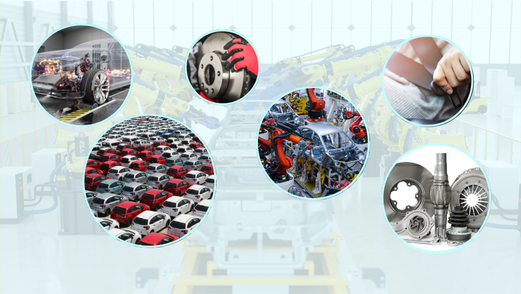
Steel can be found in a lot of parts of a vehicle; just a few examples are:
- Chassis and Body Structures: Forms the structural core of the vehicle.
- Engine: Includes crankshaft, camshaft, etc.
- Suspension: Steel is used to take stress and enhance durability and performance.
- Exhaust: Stainless steel is used to provide corrosion resistance.
- Safety: With airbags, seat belt components, etc.
Steel products such as steel billets, flat bar steel and steel round bars are used in manufacturing these components to make sure vehicles are durable and meet safety and performance standards.
Types of Steel Used in Automotive Production
Automotive production utilizes a number of different steels which have been designed for their purpose:
- Advanced High Strength Steel (AHSS): Superior strength to weight ratio, and enhances fuel efficiency and safety.
- High Carbon Steel: A strength classification of steel, is used in applications requiring high strength and wear-resistance; typically in springs, cutting tools, etc.
- Low-Carbon Steel: Designed for body panels and other structural parts because of its outstanding malleability.
- Stainless Steel: Known for its corrosion resistance, is used in exhaust systems and body trim.
- Galvanized Steel: This product is coated in zinc to protect against rust, they are commonly found in body panels.
The Role of Steel in the Sustainable Automotive Future
Steel continues to be important for sustainability in the automotive industry:
- Recyclability: The fact that steel can be recycled infinitely without losing quality minimizes the need for raw material extraction.
- Energy Efficiency: Producing steel through recycling reduces energy consumption versus primary production.
- Lightweighting: Advanced steel grades allow for lighter-weight vehicles improving fuel efficiency and thus lowering emissions.
Using recycled steel in vehicle production is also consistent with global initiatives to decrease transportation’s environmental footprint.
India’s Contribution to Global Automotive Steel Supply
India’s steel industry will play an essential role in global automotive steel supply:
- Production Capacity: India is among the top steel producers in the world and services local and international automotive production.
- Innovation: India’s steel producing companies are investing significantly in research and development with the goal of providing advanced grades of steel.
- Quality Standards: Indian companies such as Nidhi Steel Industries consistently deliver products (including flat bar steel and steel round bars) that meet the stringent requirements of automotive specifications and global quality standards.
The concentration of steel industries in Ludhiana and other areas reveals that India is committed towards the automotive sector as a reliable steel supplier.
FAQs
Q1: Why is steel typically preferred for automotive manufacturers?
Steel provides a strong, durable, and cost-effective material that is recyclable, which can be used for many applications in the auto industry.
Q2: How is safety improved using steel?
High-strength steel provides protection during crashes as it offers superior crush resistance and occupant protection.
Q3: Is recycled steel used in the manufacturing of cars?
Yes, recycled steel has the same properties as virgin steel and is widely used for construction purposes, making it a sustainable option.
Q4: What is electric vehicle (EV) steel?
EVs use advanced high-strength steel for structural parts of the vehicle, and stainless steels for battery enclosures, components, and structural parts.
Q5: Can steel help reduce carbon emissions in the auto industry?
Absolutely. Using recycled steel, and developing low-density steel grades can reduce the carbon emissions of production and when in use.
Conclusion
Steel’s role in the auto industry is multi-dimensional, contributing to safety, performance, and sustainability. As the auto industry advances, the need for high-quality steel products continues to grow. We can be confident that Indian manufacturers, particularly those in Ludhiana, will be well positioned to deliver products such as steel billets, flat bar steel, and steel round bars. While the industry adapts and promotes sustainable innovation, the steel industry in India continues to shape the future of automotive manufacturing.
